Most travelers visit a dozen websites before they book a single trip. They search for cheap flights on one platform, check hotel deals on another, read travel advice on a blog, discover a destination through a tourism board, and then circle back to compare prices on an aggregator before finally committing. The research process is fragmented, and the best travel websites are the ones that make each specific step in that journey effortless, inspiring, and worth returning to. Booking travel without travel agents has never been easier, even if it doesn’t always feel like it.
This article covers the best travel and tourism websites across every category, from booking flights to discovering the world’s hidden corners.
Here’s what we cover:
- The best booking platforms for flights, hotels, and rental cars
- Top travel comparison and deal alert sites that help you save money
- The best destination and tourism websites for trip inspiration
- What makes a great tourism website design worth studying
- How to use a few sites together for the most efficient research process
We’ve built websites for tourism boards, hospitality businesses, and travel-adjacent service companies through our web design services, and the design principles behind the best travel websites apply directly to any business that needs to inspire action before it earns a booking. Take a look at our portfolio when you’re ready.
The best flight and hotel booking platforms
The backbone of any trip planning process is the booking platform. These sites handle flights, hotel deals, rental cars, and packages, and the best ones are built to help travelers find, compare, and confirm bookings efficiently across thousands of options worldwide.
Google Flights
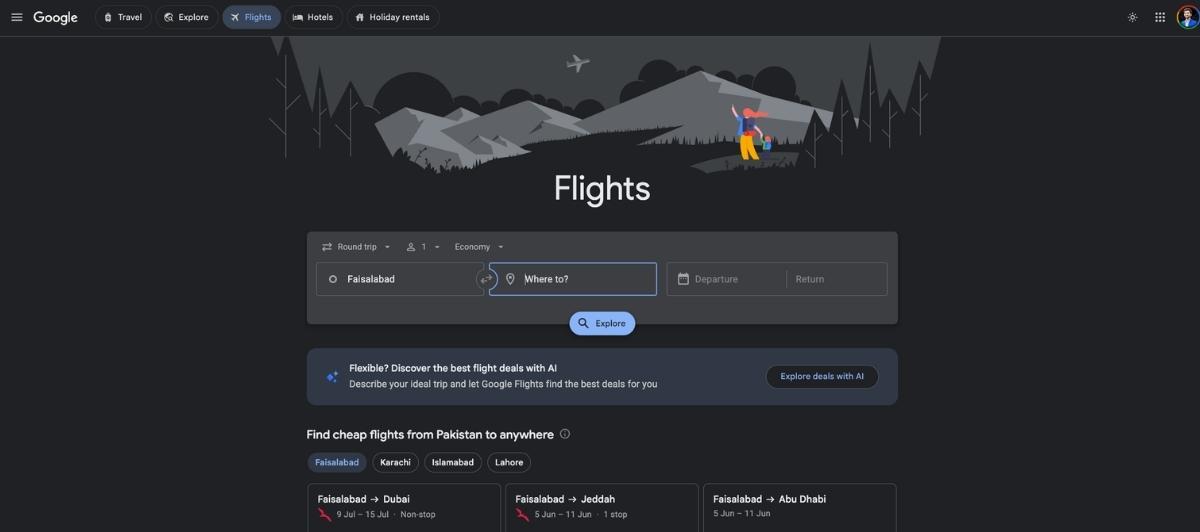
Google Flights remains one of the most powerful tools for booking flights in 2026. Google Flights makes it easy to compare routes, spot price trends, and quickly see if you’re getting a good deal. The price calendar view shows the cheapest dates across an entire month, the flexible destination search allows travelers to discover where they can afford to go rather than searching for specific routes, and the price tracking feature sends alerts when fares drop on saved searches. For anyone beginning the process of booking flights, Google Flights is the most logical starting point before moving to direct airline booking or an OTA.
Kayak
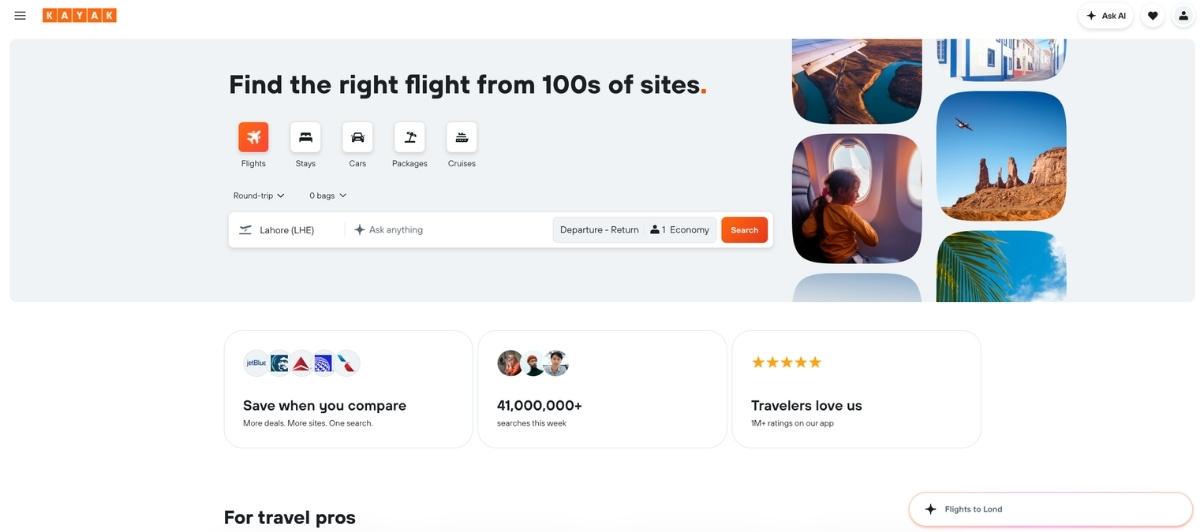
Kayak is one of the strongest flight and hotel comparison platforms, well known for its hacker fares feature that splits itineraries across multiple airlines to find cheaper combinations than any single carrier offers. Kayak sends alerts when prices drop on tracked routes and allows travelers to compare prices across dozens of airlines and booking sites simultaneously.
The explore feature shows a price map that lets travelers discover cheap flights from their home airport to destinations around the world, making it especially useful for flexible travelers who want to save money rather than reach a specific destination.
Booking.com

Booking.com has, by far, the largest number of hotel search results. With over 5.7 million listings in 227 countries, they’re the first place you should look to find hotels online. In addition to hotels, Booking.com also has hostels, guesthouses, apartments, vacation rentals, and all-inclusive resorts available.
The platform’s filter system is comprehensive, allowing travelers to search by amenities including free breakfast, location relative to city centers, cancellation policy, and guest rating. Booking.com was the most visited travel and tourism website worldwide in 2025, reflecting its position as the dominant accommodation booking platform globally.
Expedia

Expedia is one of the most recognized travel websites in the world, built around vacation package deals that combine flights, hotels, and rental cars into a single discounted booking. The One Key rewards program allows travelers to earn OneKeyCash on hotels, flights, and car rentals that can be redeemed across Expedia, Hotels.com, and Vrbo.
Customers can book just about anything on the Expedia platform and mobile app, including vacation packages, flights, hotels, car hire, cruises, and excursions. For travelers planning a complete trip rather than individual components, the package search that surfaces discounts equivalent to a free night’s accommodation makes Expedia one of the strongest value options among booking platforms.
Airbnb
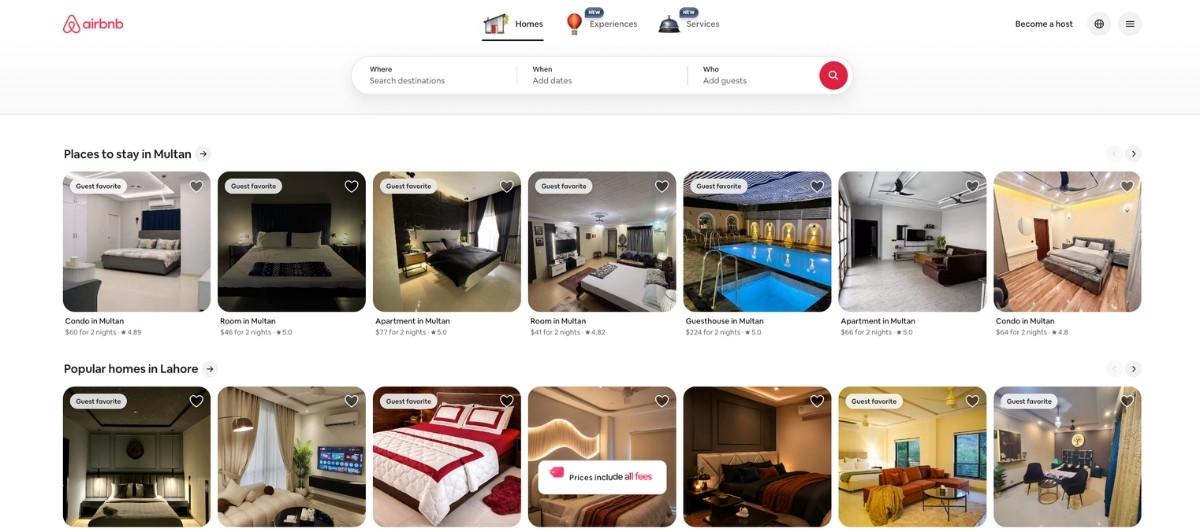
Airbnb transformed the travel accommodation category by offering millions of listings in almost 70,000 cities worldwide, covering apartments, private rooms, entire homes, and even unique experiences from treehouses to houseboats.
The platform’s review system gives travelers detailed perspective from other guests before booking, and the photo galleries for each listing allow visual evaluation of quality before committing. For travelers seeking authentic experiences in real neighborhoods rather than hotel districts, Airbnb’s ability to locate accommodation in residential areas across Europe, Southeast Asia, and beyond is a meaningful advantage over traditional hotel booking platforms.
Priceline
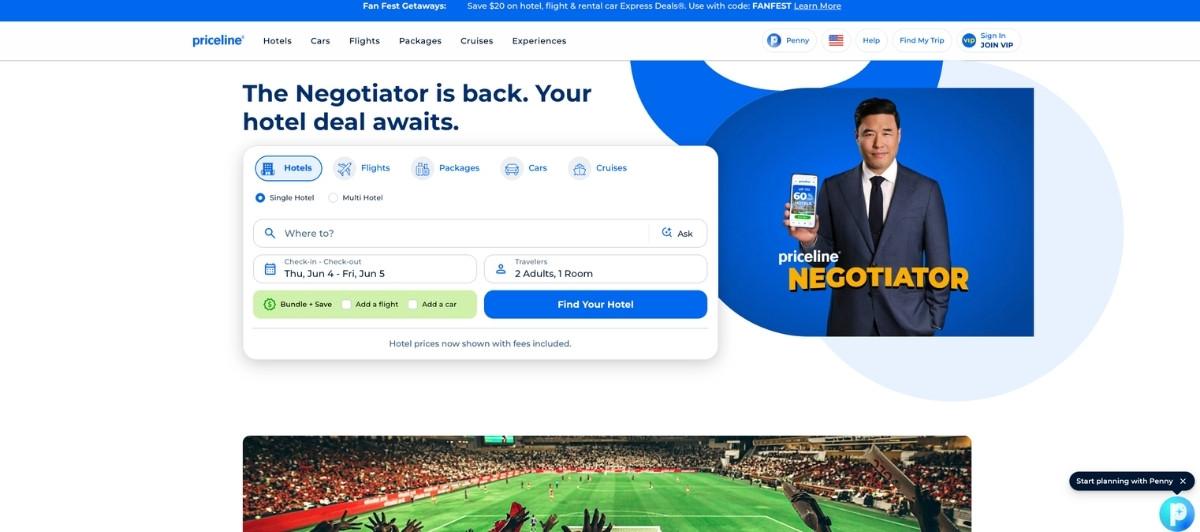
Priceline offers Express Deals that discount hotels significantly for flexible travelers. These are top-rated hotels and flights that have been heavily discounted, but the catch is that you won’t know the name of the hotel or airline until after you’ve booked.
Express Deals are a bit of a mystery, but it’s a fun and exciting way to potentially score an amazing deal. And last but not least, Priceline has a rewards program called Priceline VIP. You can earn points for every purchase you make via this rewards program, which can be redeemed for discounts on future bookings. Members can also access exclusive deals and perks, like free breakfast or late checkout at select hotels.
Skyscanner

Skyscanner is particularly valuable for international travelers and anyone with destination flexibility. Skyscanner is one of the best travel platforms to compare prices for flights and hotels you find elsewhere. Once you’ve chosen your flights, the site will direct you to the cheapest booking methods.
It will also suggest package deals, hotels, and provide guides with things to do and attractions for your destination. The “Everywhere” search function allows travelers to enter their departure city and see cheap flights to every destination in the world, ranked by price, which is one of the most useful tools available for budget-conscious travelers with flexible plans.
The best travel research and discovery sites
Beyond booking platforms, the research process for a trip relies on a different set of sites focused on destination discovery, travel advice, and trip inspiration.
Atlas Obscura
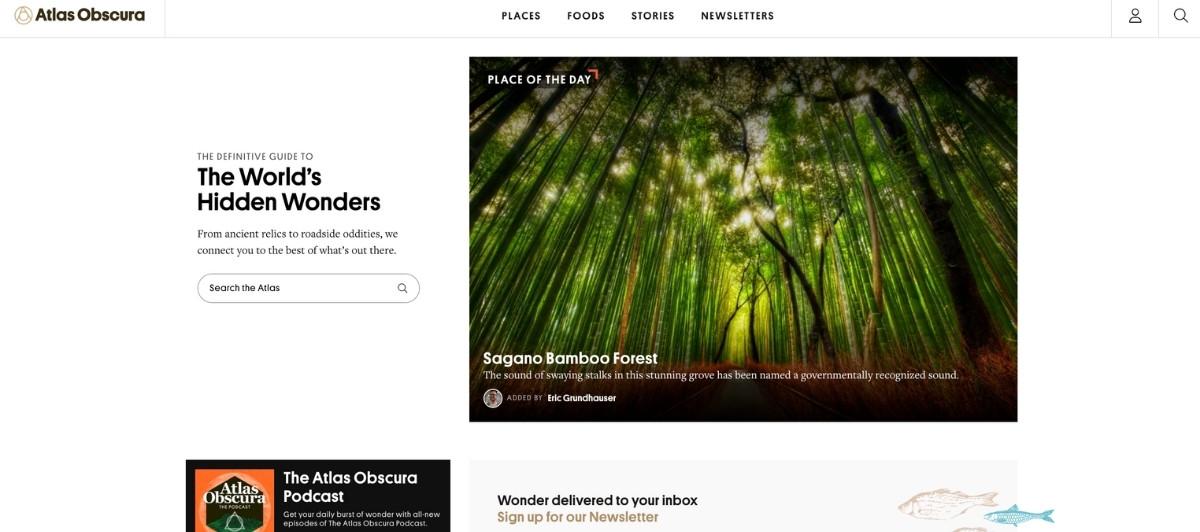
Atlas Obscura is in a category of its own as the world’s leading guide to hidden, unusual, and remarkable places. Where most travel websites guide visitors toward the same famous landmarks, Atlas Obscura specializes in the genuinely unexpected, from underground caves and architectural oddities to bizarre festivals and forgotten historical sites in cities around the world.
For travelers who want authentic experiences beyond the tourist trail, whether planning a road trip across the US or exploring the lesser-visited corners of Europe, Atlas Obscura consistently surfaces the places that make a trip memorable in ways that conventional travel guides cannot.
TripAdvisor
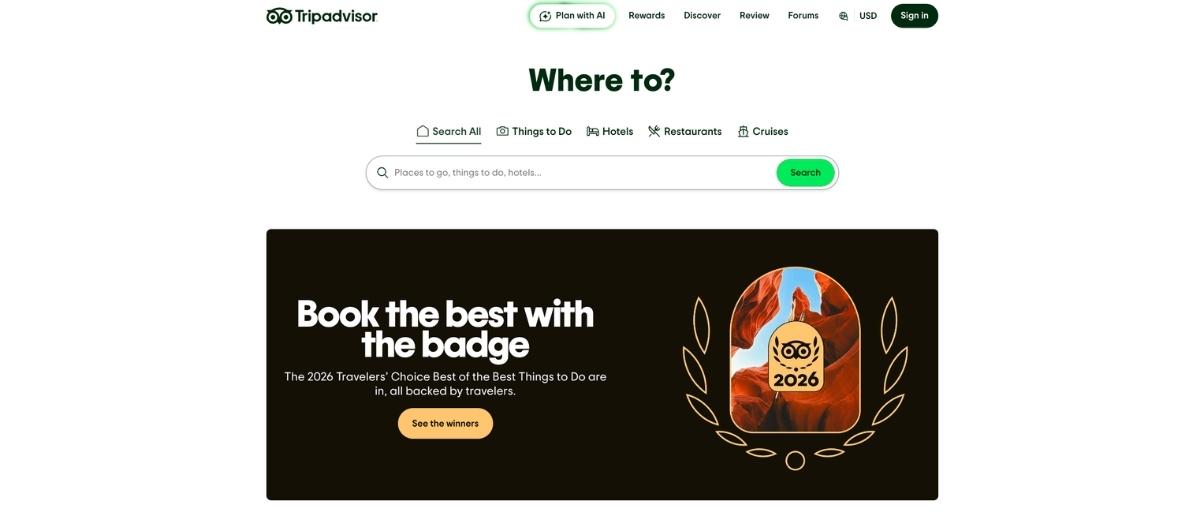
TripAdvisor remains the largest travel review platform globally, with hundreds of millions of traveler reviews covering hotels, restaurants, and attractions across virtually every destination in the world. For travelers at the evaluation stage of their research process, TripAdvisor’s depth of genuine guest feedback gives a more complete picture of accommodations and experiences than any official tourism site can provide. The forums are particularly useful for destination-specific travel advice from experienced travelers who have recently visited the area being researched.
Lonely Planet

Lonely Planet is one of the most established names in travel guides, and its website translates decades of regional expertise into digital travel advice organized by destination. Comprehensive destination pages covering transport, visa requirements, budget planning, safety considerations, and must-see attractions serve travelers from the earliest inspiration phase through active trip planning. For first-time visitors to regions like Southeast Asia or countries they’ve never researched before, Lonely Planet provides the foundational orientation that more specialized sites assume the traveler already has.
The best destination and tourism websites
Beyond booking and research platforms, official destination and tourism websites serve a different purpose: inspiring the trip before any flight or hotel has been searched.
Another Escape

Another Escape is an exploratory publication focused on outdoor living, sustainable ecology, and nature-driven travel stories submitted by readers alongside contributions from staff writers. The site’s high-definition imagery from wildernesses around the world and its online store of books, prints, and bundles make it one of the most visually distinctive travel publications on the web.
For travelers who approach a trip as a deeper engagement with natural environments rather than a checklist of popular attractions, Another Escape offers inspiration that standard travel websites don’t come close to matching.
VisitFinland
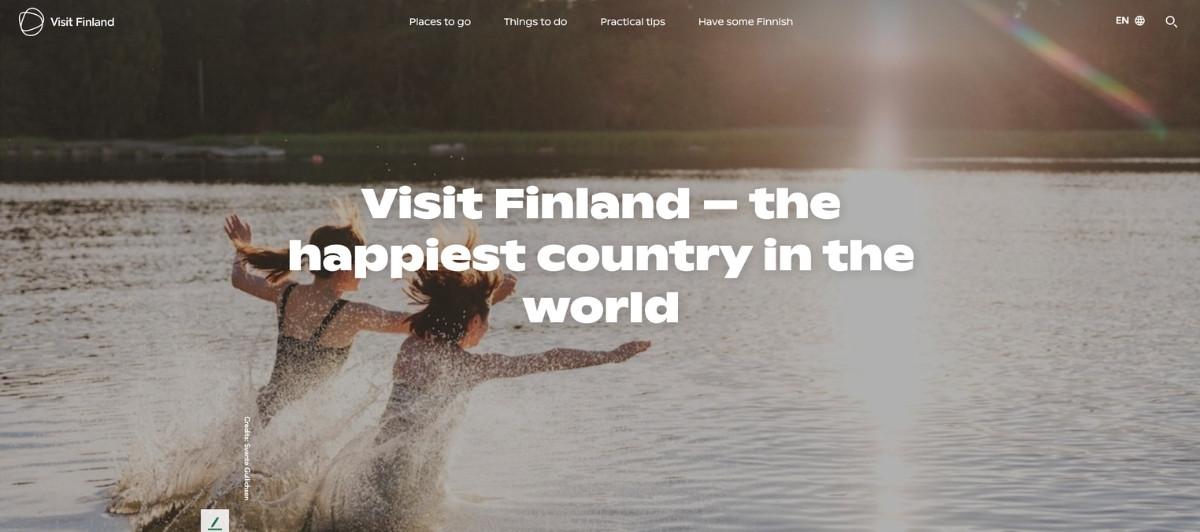
VisitFinland demonstrates how an official national tourism website should function in 2026. The site showcases Finland’s Northern Lights, its relationship to the Santa Claus mythology, and the diversity of its landscapes and cities through genuinely compelling photography and an interactive map that allows visitors to explore different regions through small animations on a color grid.
As visitors scroll, progressively more specific destination information appears: which cities to visit, hotel deals to explore, and things to do across different regions of the country. For a destination as visually distinctive as Finland, the site’s ability to translate that visual appeal into a browsing experience is one of its strongest assets.
VisitBrasil
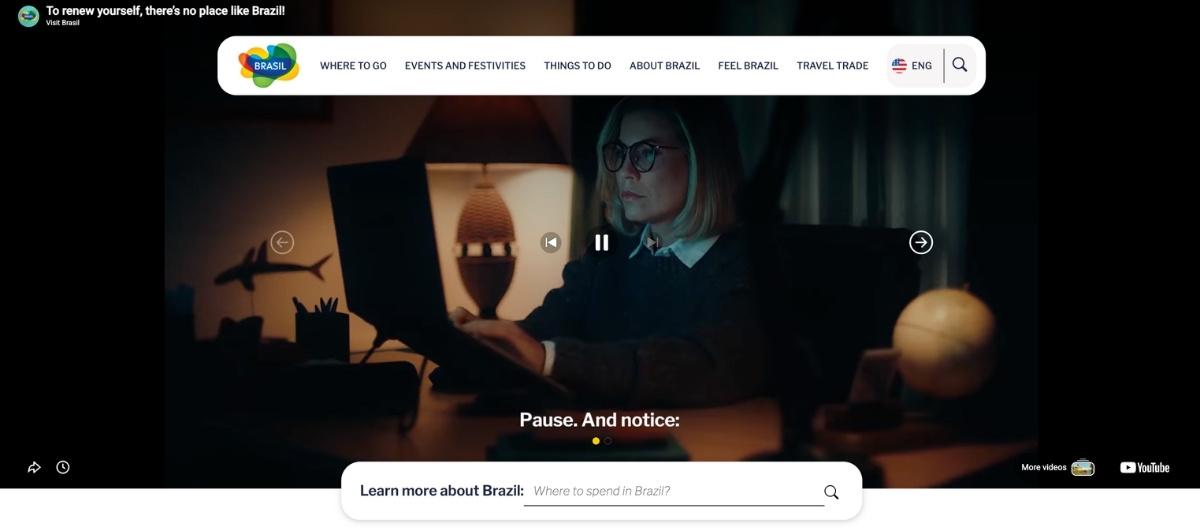
VisitBrasil tackles a uniquely complex challenge: communicating the breadth and diversity of a country that covers almost half of South America and contains the world’s fifth largest population. Rather than defaulting to beaches and generalized imagery, the site divides Brazil into distinct regions organized by natural environment, business character, and cultural events, giving travelers a genuinely useful way to discover which part of Brazil matches their specific travel interests. For a destination of this scale, the regional organization structure is one of the most practical approaches a tourism website can take.
On the Grid
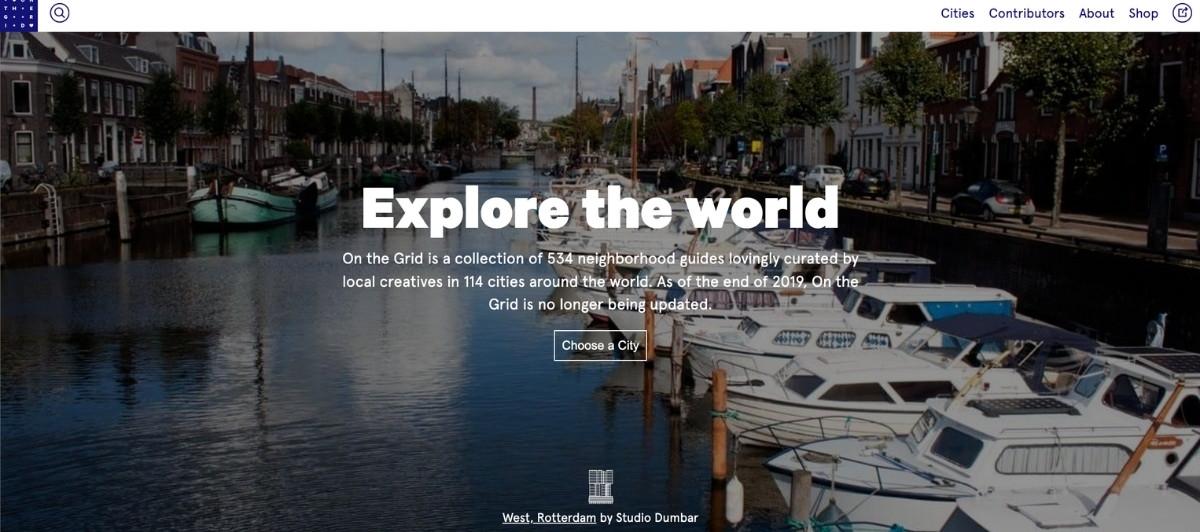
On the Grid is a travel blog spanning multiple countries and continents with a genuinely useful navigational structure. A simple destination selector allows travelers to jump directly to guides for specific cities, and each city guide presents local businesses and attractions alongside Google Maps integration so visitors can immediately understand the geography they’re researching.
The tagline “Explore the World” functions as both a brand statement and a navigational invitation, and the alphabetical city list on the homepage ensures every guide is immediately accessible without requiring hierarchical navigation through regions and countries.
Toucan Cafe and Tours
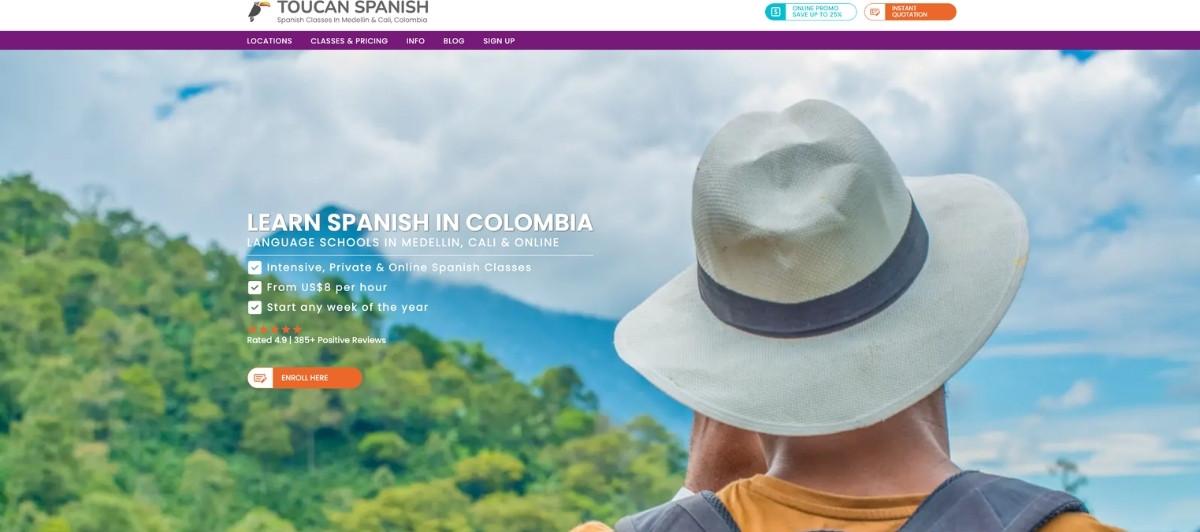
Toucan Cafe and Tours is a Medellin-based cafe and tour organizer that succeeds at something few travel businesses attempt: combining two complementary services into a single coherent web presence. The site covers their coffee offering, their tours of Colombia, and language exchange programs for English-speaking travelers in a structure that makes the unconventional combination feel natural.
Available in both English and Spanish to serve the international travelers who represent their primary audience, the site uses a clean menu and fundamental country information to help first-time visitors to Colombia understand both the destination and the service simultaneously.
Travel Oregon
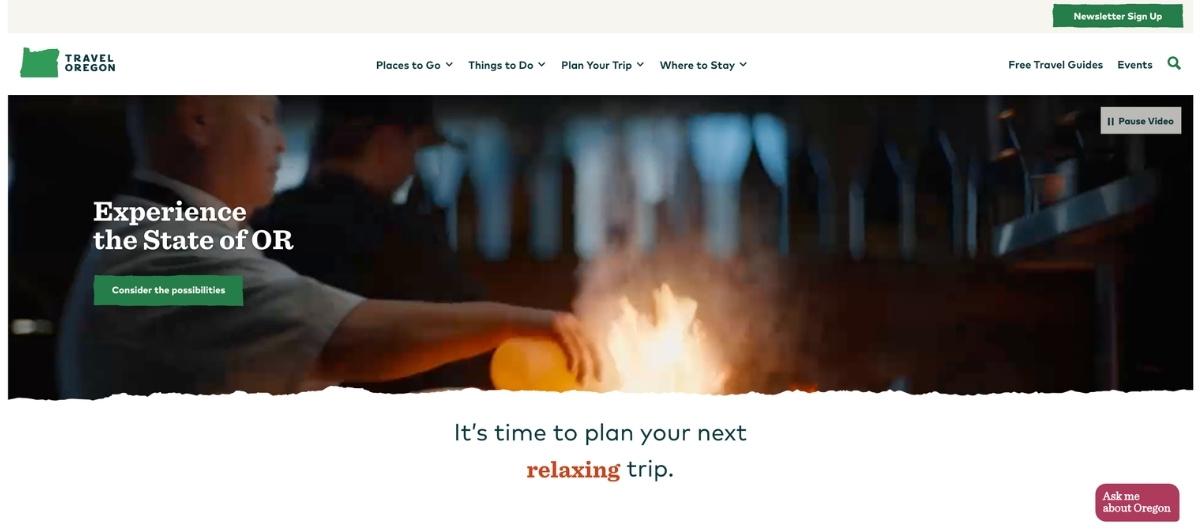
Travel Oregon opens with a full-page video loop of what their tagline “Oregon Magic” actually looks like in practice. The video transitions through the state’s distinct regions, its coast, its mountains, its cities, and its wine country, using clear calls to action that invite visitors to learn more about specific aspects of the destination.
Action-oriented language throughout the site, including words like “wander” and “explore,” creates an energetic, adventurous tone that fits Oregon’s identity as a destination for outdoor enthusiasts and independent travelers. For state tourism boards building or redesigning their sites, Travel Oregon is one of the clearest models of how to translate a destination’s personality into a coherent digital experience.
Visit Wheeling, West Virginia
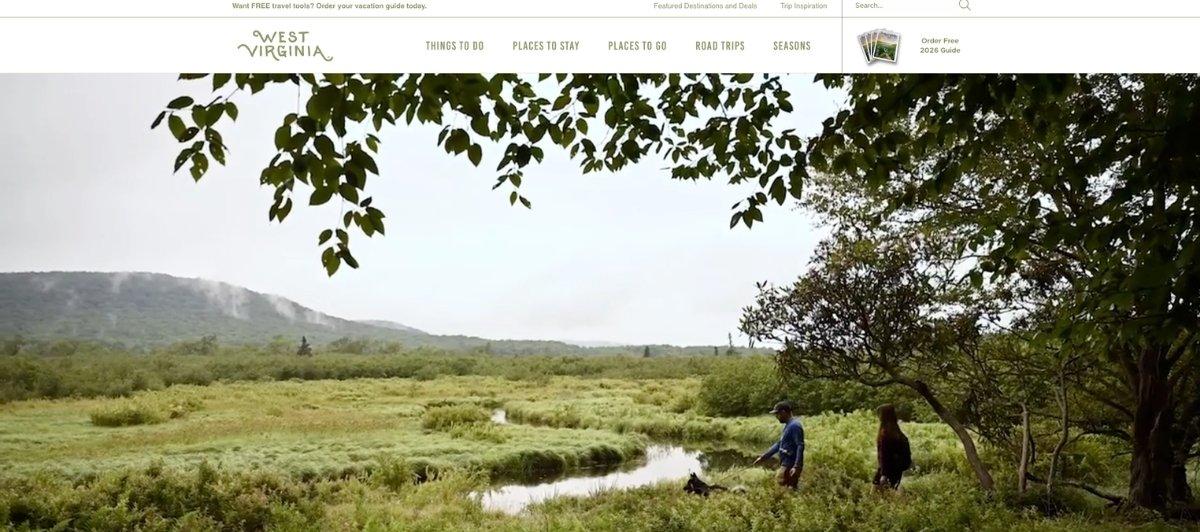
Visit Wheeling, West Virginia shows how a smaller, less obvious destination can use its website to make an unexpected case for itself as a travel destination. The site’s partnership with a major video game that set its narrative in the West Virginia landscape created a novel content layer that attracted an entirely new visitor demographic to the site.
The homepage is organized into four clear sections covering hotels, restaurants, recreation, and historical attractions, which gives every type of visitor an immediate pathway to the information most relevant to their trip planning without requiring navigation through unrelated content.
Mount Kilimanjaro Guide
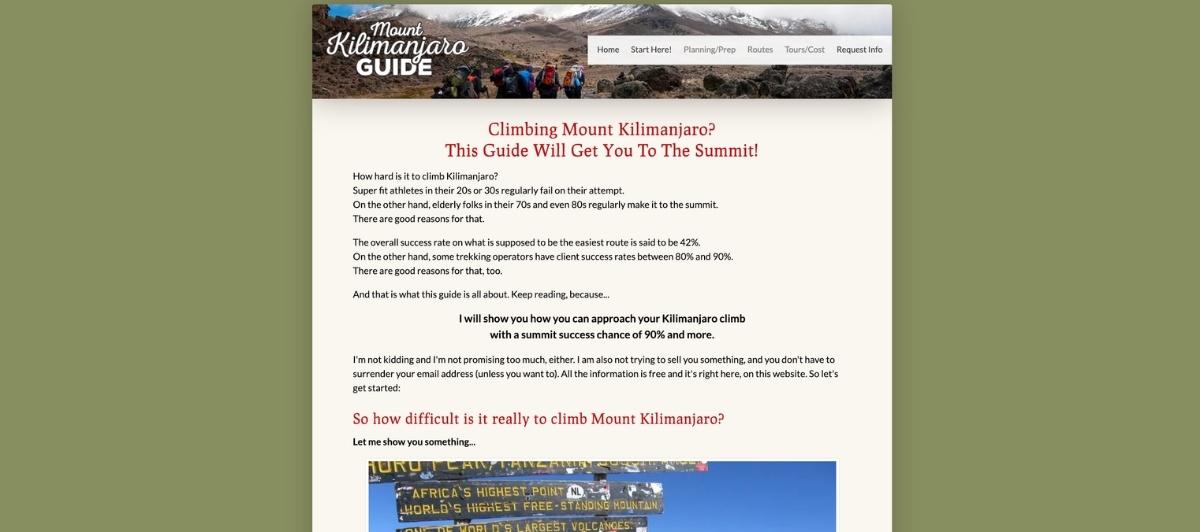
Mount Kilimanjaro Guide takes a deliberately text-heavy approach that most travel websites actively avoid, and it works because the site is targeting a very specific type of traveler: someone researching one of the world’s most famous mountain climbs in genuine depth.
Dense, expert content covering routes, elevation profiles, required guides, physical preparation, and what to expect at each stage of the climb serves serious expedition researchers who need information well beyond what a general travel site can provide. For destination-specific tourism sites where the audience is motivated and information-hungry, this specialist approach is more effective than broad, visually-driven content.
What makes a great travel and tourism website
Looking across the best travel and tourism websites reviewed above, specific design and content principles consistently separate the sites that inspire action from those that inform passively.
Lead with immersive destination imagery
Travel is an emotionally driven decision. Travelers choose destinations based on how they imagine the experience will feel, and the best travel websites use photography and video to deliver that feeling before a single word of description is read.
Travel Oregon’s full-page video, VisitFinland’s interactive map, and Another Escape’s wilderness photography all demonstrate that visual storytelling is the most powerful conversion tool available to any travel or tourism website.
Make the next step immediate and obvious
Whether the next step is booking a flight, requesting a travel guide, or exploring a specific destination page, it should always be one click away. The best booking platforms surface their search functionality above the fold. The best destination websites surface their “plan your trip” or “explore” CTAs in the same position. Travelers who arrive with intent should never have to hunt for the action that brought them to the site.
Organize content around traveler type and interest
Different travelers arrive with fundamentally different needs. A budget backpacker researching Southeast Asia has nothing in common with a family planning their first trip to Europe or an adventure traveler preparing for a road trip across the American West.
The best travel websites segment their content by traveler type, interest, or destination category so every visitor finds a relevant pathway immediately. VisitBrasil’s regional organization and Visit Wheeling’s four-section homepage structure both demonstrate this principle at different scales.
Use trust signals that are specific to travel
In a category where travelers are committing significant money to experiences they haven’t yet had, trust signals carry particular weight. Guest reviews on booking platforms, media coverage for tourism sites, expert author credentials on travel blogs, and partner certifications for tour operators all reduce the hesitation that prevents travelers from committing.
Sites like TripAdvisor and Airbnb are built almost entirely around the trust that real traveler reviews create, and even smaller destination sites like Mount Kilimanjaro Guide build trust through demonstrated expertise rather than visual appeal alone.
Optimize for mobile across every stage of the trip
Travelers research on their phones, compare options on their tablets, and frequently book on whatever device they have available at the moment of decision. A travel website that doesn’t perform equally well across all devices loses bookings at every stage of the research process. Our WordPress speed optimization service and mobile-first design approach ensure travel and tourism websites perform well regardless of what device a traveler is using.
Build a travel or tourism website that earns bookings — Freshy makes it happen
The best travel and tourism websites do one thing above all: they make the trip feel possible and the next step feel obvious. Whether the goal is booking flights, filling hotel rooms, attracting visitors to a destination, or selling tours, the design principles that drive results are consistent across the category.
Key takeaways:
- Google Flights and Kayak are the strongest starting points for booking flights and finding cheap flights through price comparison
- Booking.com leads for hotel deals with the largest global inventory, while Airbnb serves travelers seeking authentic experiences in local neighborhoods
- Skyscanner’s “Everywhere” search and Kayak’s hacker fares both help budget travelers save money by finding routes and combinations standard searches miss
- Atlas Obscura is the strongest resource for discovering unusual destinations and authentic experiences beyond mainstream tourism
- The best destination websites lead with immersive photography or video, organize content by traveler type, and make the next step immediately accessible
- Mobile-first design and fast load speeds are non-negotiable for travel websites where decisions happen across multiple devices and research sessions
If you’re building or redesigning a travel, tourism, or hospitality website and want a team that understands both the design and the conversion requirements, tell us about your project, and let’s talk about what your site needs. Our web design portfolio shows the kind of work Freshy brings to every type of service and experience business.
FAQs
What are the best travel websites for booking cheap flights?
Google Flights is the strongest starting point for comparing routes and tracking prices, with a price calendar that surfaces the cheapest dates across a full month. Kayak’s hacker fares find cheaper combinations across multiple airlines. Skyscanner’s “Everywhere” search shows the cheapest destinations available from your home airport for travelers with flexible plans.
What is the best website for hotel deals?
Booking.com leads globally with over 5.7 million listings across 227 countries and strong filter tools for free breakfast, free cancellation, and location. Expedia offers vacation package discounts that combine flights and hotels. Priceline’s Express Deals offer the deepest hotel discounts for travelers flexible enough to book without knowing the hotel name in advance.
What makes a great tourism website design?
The best tourism websites combine immersive destination photography or video above the fold, clear organizational structure by traveler type or destination region, prominent CTAs that make the next step immediately obvious, and a mobile-first design that performs well across all devices. Trust signals, including guest reviews, media coverage, and expert content, are equally important for converting inspiration into an actual booked trip.
What travel websites are best for discovering unusual destinations?
Atlas Obscura is the leading resource for unusual and hidden places around the world, covering everything from underground cities to forgotten architectural oddities. On the Grid provides locally curated city guides across multiple countries, organized alongside Google Maps integration. Lonely Planet offers comprehensive foundational guides for destinations travelers are researching for the first time.
Which travel websites are best for planning a road trip?
For a road trip within the US, Travel Oregon and state tourism websites offer destination-specific itineraries and regional breakdowns. Google Maps is the most practical planning tool for routing and locating accommodations and attractions along a route. TripAdvisor forums provide trip-specific advice from travelers who have recently completed similar routes.