

There are roughly 1.13 billion websites on the internet right now. Only 20 of them matter enough to shape how billions of people search, watch, connect, shop, and work every single day. Google.com remained the world’s most visited website in 2026, with approximately 84.8 billion monthly visits, and its lead over every other site on this list is so large that the gap barely registers.
This article breaks down those 20 sites, backed by the latest available traffic data, and pulls out what each one can teach anyone building a website today.
Here’s what we cover:
- What the latest traffic data tells us about the digital landscape in 2026
- The 20 most popular websites ranked and analyzed
- How the rankings have shifted and what those market shifts mean
- The design and user engagement principles behind these traffic giants
- What any website can learn from the most-visited sites in the world
We’ve built websites for businesses across dozens of industries, and the principles driving these traffic leaders apply at every scale. Curious what those principles look like in practice? Browse our work and see how they translate to real business results.
What the traffic data tells us about 2026
Before diving into the list, it’s worth understanding what the latest available traffic data actually measures and what it reveals about the evolving digital landscape.
In 2026, global web traffic is dominated by a small group of platforms that shape how billions of people search, watch, connect, and shop online. At the same time, the composition of the top rankings is evolving. ChatGPT has emerged as one of the most visited websites in the world, underscoring how quickly AI tools have moved from novelty to everyday utility.
A few trends worth keeping in mind as you explore the list:
- Search is evolving, not declining. Google’s dominance is unquestioned, but the nature of search is changing. Google continues shifting from a link directory into an answer engine, with AI Overviews resolving a growing share of queries directly on the results page before users click anywhere else. This matters for anyone building a website that depends on search traffic.
- Video is the second pillar of the web. YouTube ranks second globally and generates more traffic than the next eight websites combined, confirming video as the undisputed second pillar of the web.
- Traffic rankings reflect cultural moments. Web traffic is acutely sensitive to live events. These swings illustrate an important principle: for event-driven sites, monthly rankings are a snapshot of a specific cultural moment, not a stable indicator of sustained popularity.
- US companies dominate, but the picture is global. US-based companies account for the vast majority of the top 20 websites, but the list also includes platforms from China, Canada, and France.
The 20 best most popular websites of 2026
What’s the best website in the world? It’s a question many of us have wondered, with countless different answers depending on who you ask. But if we’re using popularity to determine the best website, the answer is clear.
Below, we’ve listed some of the best websites in the world, from search engines and social media to streaming sites and online marketplaces.
Alongside these popular websites, we’ve also highlighted what they’re about, why they’re so popular, as well as some tips you can learn from them for your own web design project, too.
We’ve also highlighted what these websites are about and why they’re so popular, as well as some tips you can use for your own web design project. Building a popular website is about so much more than good website design. These 20 examples should give you plenty of insight into how to build your own future contender in the popularity stakes!
Read on to discover the most popular websites around in our definitive list of the top 20 websites of 2026.
1. Google
Google is the undisputed most visited website on the internet, and has been since 2010. Google.com has the most visits in 2026 with 111.75 billion monthly visits as of March 2026. It is the only website on the planet that crosses 100 billion monthly visits.
Beyond its core search engine function, Google now serves as the hub for Gmail, Google Docs, Google Calendar, Google Drive, Google Maps, and dozens of other platforms that billions of people use daily. The lesson for any website builder: if you solve one problem extraordinarily well and then expand intelligently from that foundation, you build something people return to habitually.
2. YouTube

YouTube is the second most visited website in the world and one of the most remarkable platforms ever built. YouTube is the second most visited website in the world in 2026, with 54.4 billion monthly visits.
Every minute, enormous volumes of video content are uploaded across every imaginable category, from entertainment and education to news and live events. For anyone building a website today, YouTube’s dominance reinforces one of the most consistent traffic trends of the last decade: video content drives user engagement at a scale that text alone cannot match.
3. Amazon
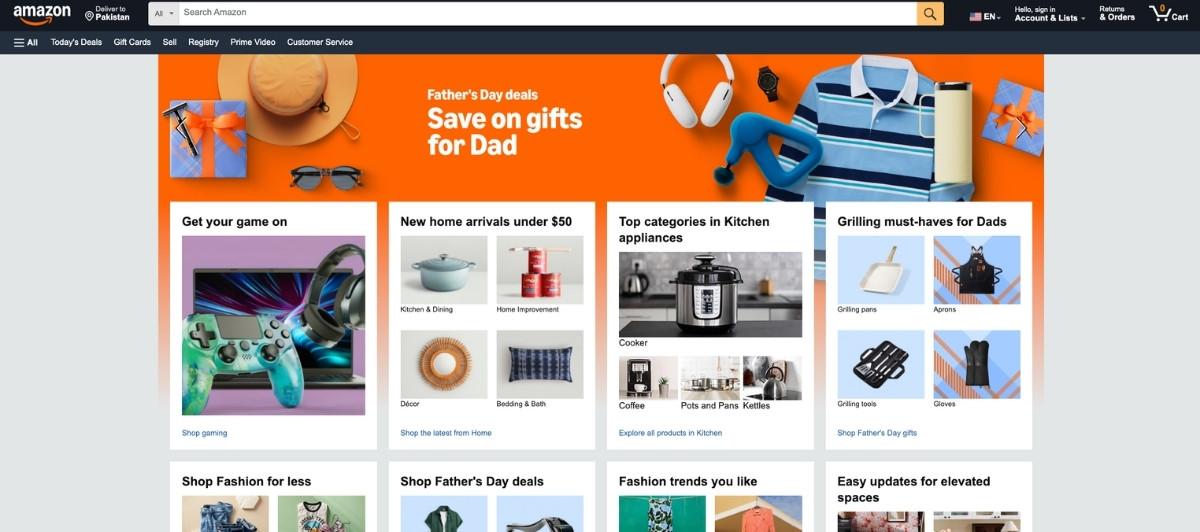
Amazon is the dominant force in global e-commerce and one of the most visited websites in the world. E-commerce platforms like Amazon rank among the most visited sites, highlighting the scale of online retail. From books to groceries to electronics and beyond, the platform’s combination of product breadth, fast delivery, competitive pricing, and Prime membership has made it the default starting point for online shopping for hundreds of millions of users globally. The design lesson here is the power of frictionless transaction: every element of the Amazon experience is engineered to reduce the time between intent and purchase.
4. Facebook

Facebook remains one of the most visited websites globally and the dominant general social media platform across most of the world. With billions of monthly active users, it continues to serve as a primary communication and content discovery tool for people across every country.
Despite decades of existence and significant competition from newer platforms, Facebook’s combination of personal connections, groups, marketplace, and media content continues to hold its massive audience. The user engagement model, built on connection, commentary, and infinite content streams, remains one of the most studied frameworks in the history of web design.
5. Yahoo
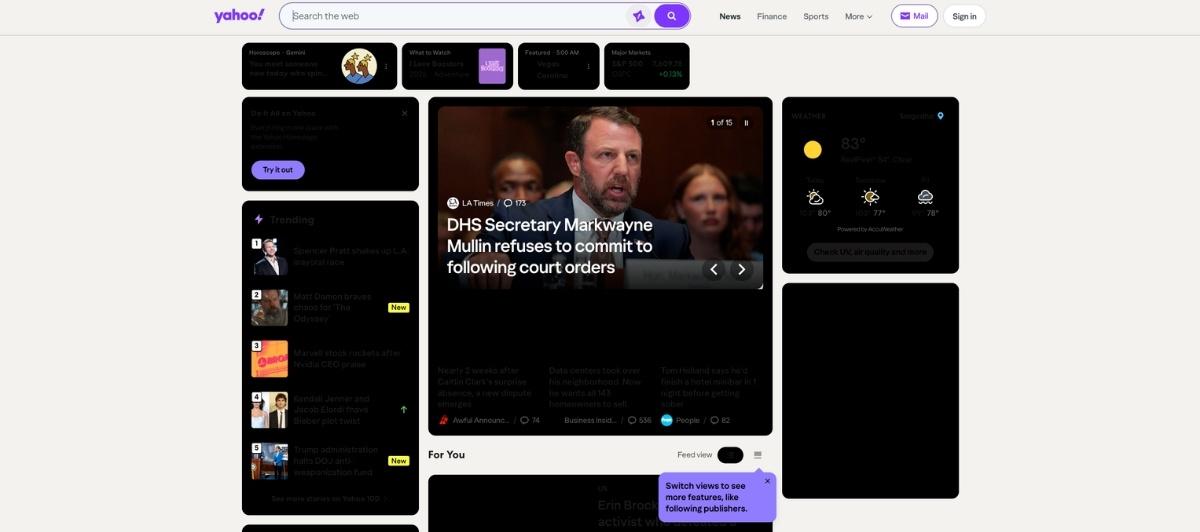
Yahoo has evolved significantly over the decades since its launch, but continues to hold a strong position among the most visited websites in the world. Its model has shifted away from pure search engine toward a combination of news aggregation, finance tracking, sports coverage, and general content discovery that gives it a distinct identity.
Bing maintains a stable position bolstered by Microsoft’s Copilot integration, while Yahoo retains its audience through news and finance content that continues to draw millions of daily visitors. For web builders, Yahoo’s longevity in the evolving digital landscape illustrates the value of finding and owning a clear content niche.
6. Reddit

Reddit bills itself as the front page of the internet, and the traffic data continues to support that claim. ChatGPT has climbed into the global top five, ahead of Reddit, Wikipedia, and X, but Reddit’s community-driven model continues to generate extraordinary engagement.
Users explore, submit, discuss, and vote on content across thousands of topic-specific communities that collectively serve as the internet’s most active discussion platform. For anyone thinking about community and user engagement, Reddit remains the most comprehensive example of what happens when you give users genuine ownership over content discovery and prioritization.
7. Wikipedia
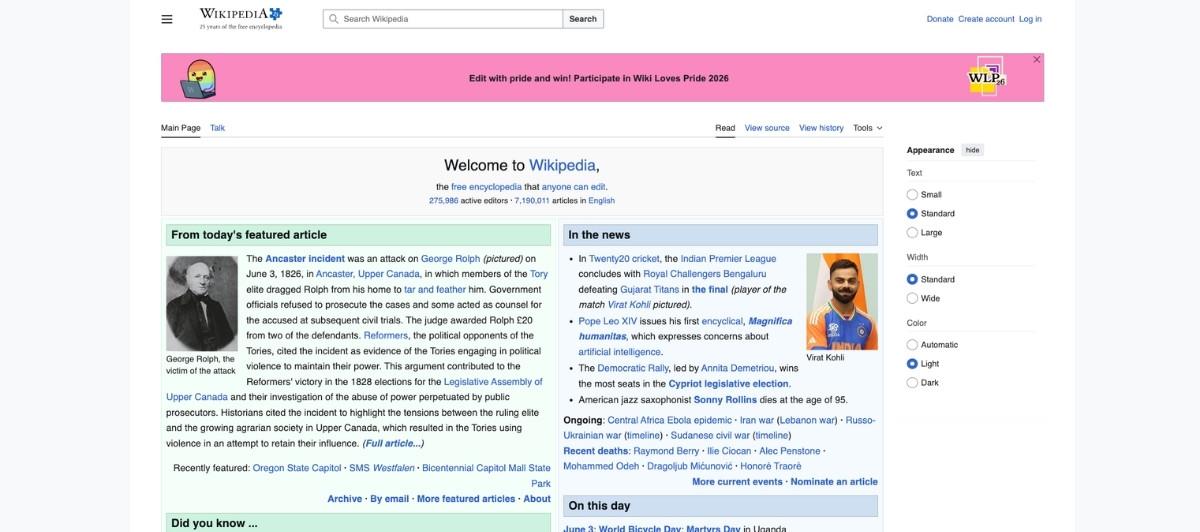
Wikipedia is the world’s largest free encyclopedia and one of the most visited websites on the internet, built and maintained entirely by volunteer contributors across every country. It houses articles on virtually every historical event, location, technology, person, and topic imaginable, and it is updated at a rate of millions of edits per month by editors globally.
As a reference and research destination, it has no direct equivalent in scale or scope. For web builders, Wikipedia’s success is a reminder that genuinely useful free content, presented clearly and maintained consistently, builds extraordinary long-term traffic without advertising or paywalls.
8. eBay
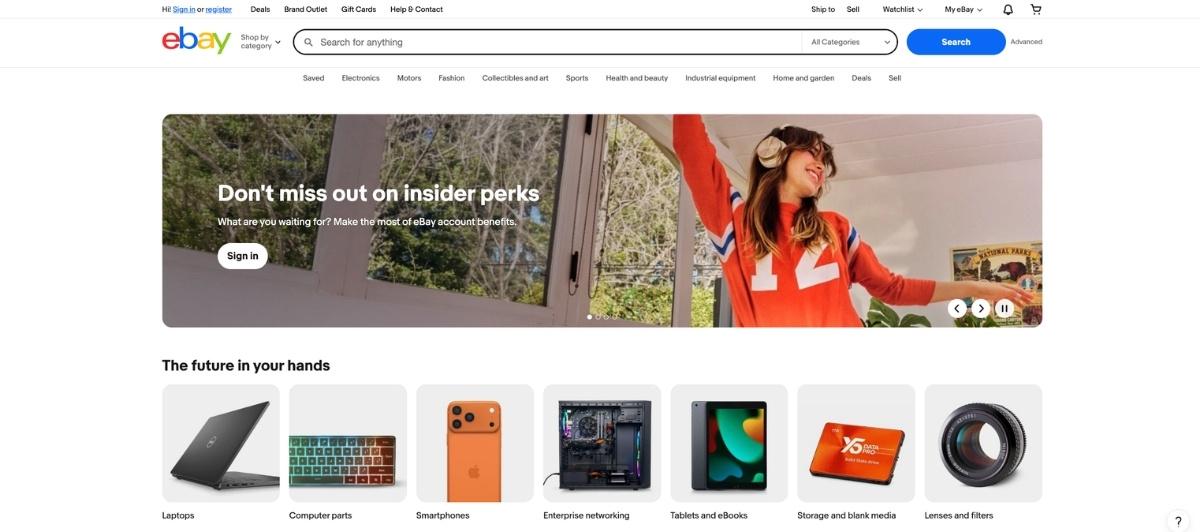
eBay has been a fixture of online commerce since Pierre Omidyar launched AuctionWeb in 1995 as a section of his personal website. What began with a broken laser pointer selling for $14.83 has grown into a global marketplace with offices across 30 countries and hundreds of millions of active listings at any given time.
The platform’s combination of auction-style and fixed-price formats gives it a distinct identity in a space dominated by Amazon’s retail model. eBay’s endurance in the digital landscape across decades and enormous market shifts is a testament to building a platform around a genuinely differentiated user need.
9. Bing
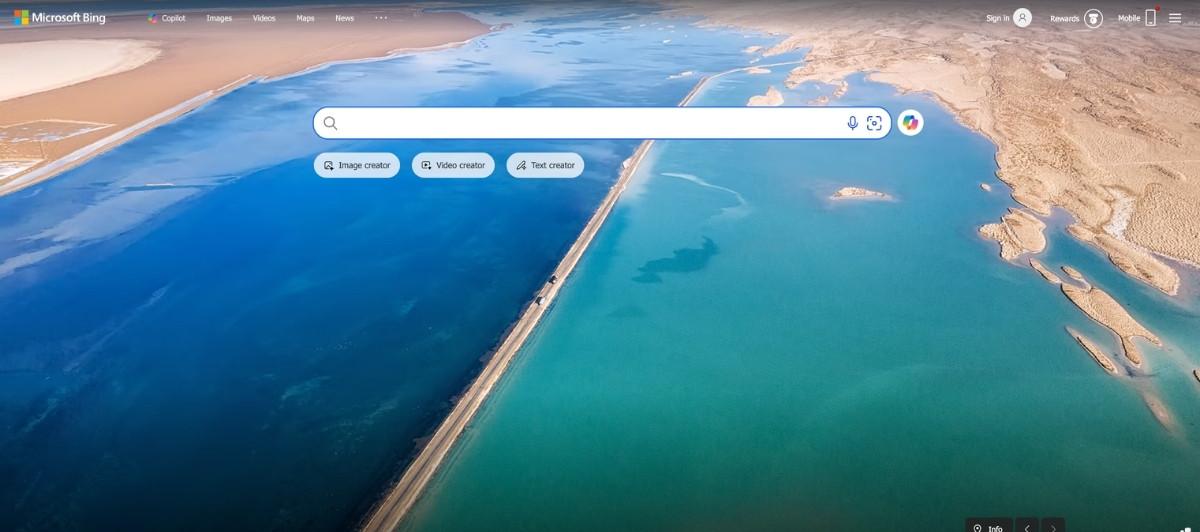
Bing is Microsoft’s search engine and the second most used search tool in the world behind Google. Bing maintains a stable position, bolstered by Microsoft’s Copilot integration, serving as the default search engine for Windows and Edge users globally. The United States, the United Kingdom, and Canada are among its largest markets.
Bing’s continued relevance in a Google-dominated world comes from its integration into Microsoft’s broader ecosystem, including Office, Windows, and now AI-powered Copilot tools that are reshaping how users interact with search. It’s a useful reminder that platform integration can sustain traffic in ways that a standalone product quality alone cannot.
10. Netflix

Netflix started as a mail-order DVD service in 1997 and is now one of the most visited entertainment websites in the world. Netflix records approximately 1.5 billion monthly visits, showing how entertainment consistently draws massive recurring traffic.
With subscribers across nearly every country on earth, the platform’s combination of original programming, licensed content, and a seamless streaming experience has made it the dominant force in subscription video entertainment. For web designers, Netflix’s interface is one of the most studied examples of personalized content discovery at scale, with every element of the experience engineered around keeping users watching their next title.
11. Office.com

Office.com is Microsoft’s cloud-based productivity suite, making the full range of Office products, including Word, Excel, PowerPoint, OneNote, Outlook, and OneDrive, available from any browser. Its high traffic volume reflects the platform’s deep integration into professional life globally, from enterprises running their operations on Microsoft 365 to freelancers and students accessing tools they rely on every day.
For web builders, Office.com demonstrates the compound traffic advantage of making useful tools genuinely accessible from the web rather than requiring software installation.
12. Instructure
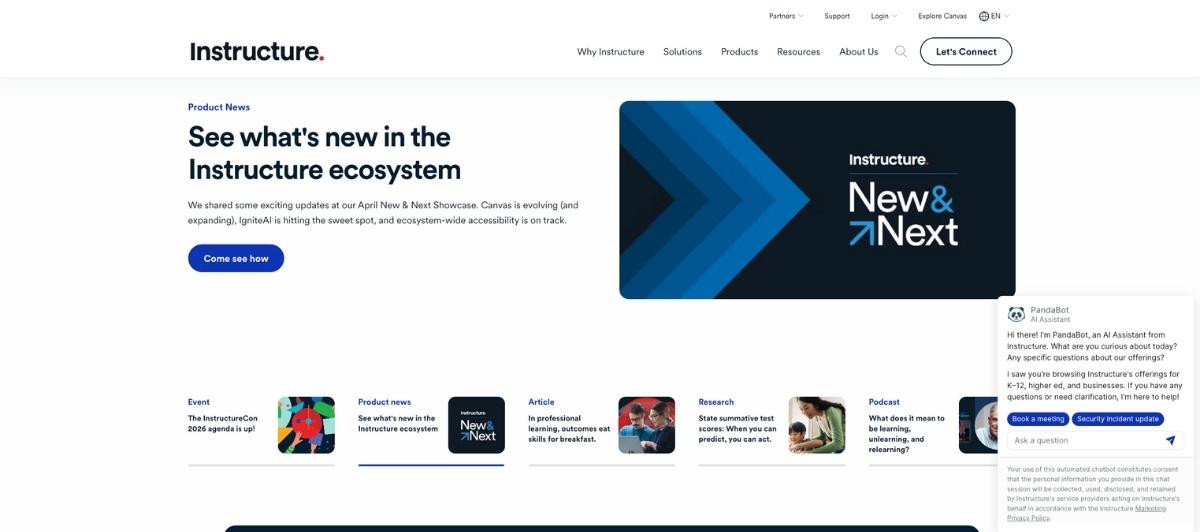
Instructure may not be a household name for general internet users, but it is one of the most frequently accessed platforms in higher education and enterprise learning globally. As the developer of Canvas, one of the world’s leading learning management systems, Instructure powers course delivery, student communication, and educational assessment for thousands of institutions across dozens of countries. Its consistent traffic rankings reflect the deep daily usage habits of the millions of students and educators who depend on it every academic term.
13. Shopify

Shopify has grown from a small Canadian startup in 2004 into one of the most important e-commerce infrastructure platforms in the world. Over one million sellers and businesses rely on Shopify to run their online stores, and the platform has processed hundreds of billions in sales throughout its lifetime.
Its WYSIWYG interface makes building a digital storefront accessible to businesses without technical teams, which has driven adoption across every country and industry category. For web builders, Shopify’s growth illustrates the extraordinary scale achievable when you remove the technical barrier between a business owner and an online store.
14. Twitch

Twitch, a subsidiary of Amazon, launched in 2011 as a live streaming platform focused on video games and has since expanded into one of the most diverse live content platforms on the internet. Esports events, creative arts, music, and independent talk shows all draw millions of daily viewers across the platform’s network of channels and broadcasters.
Twitch’s model, built around live interaction between creators and their communities through real-time comments and engagement, represents one of the strongest examples of user engagement through live, unscripted content in the digital landscape.
15. CNN
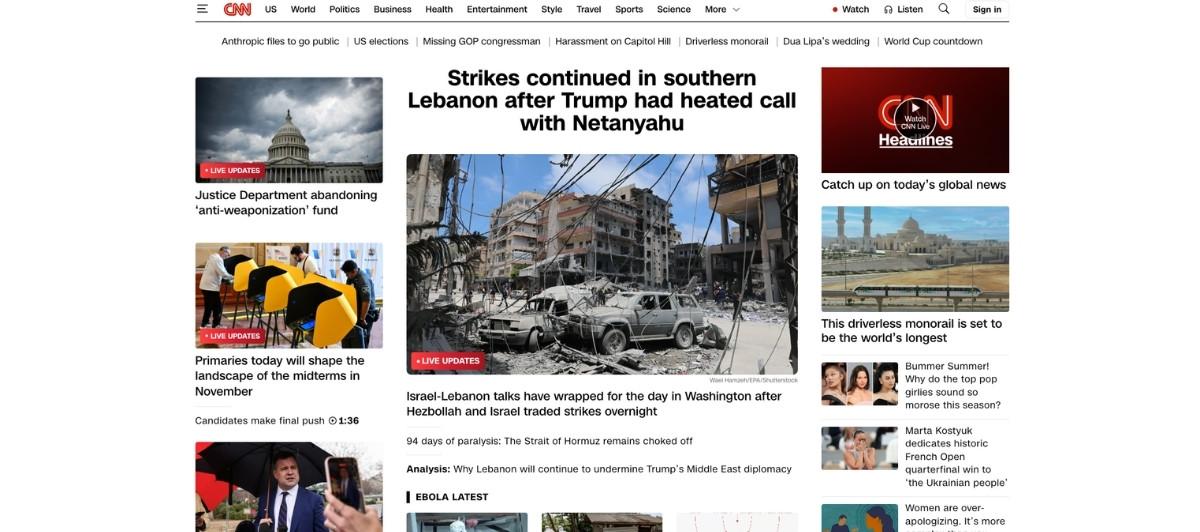
CNN launched its digital platform in 1995 and has grown into one of the most visited news websites in the world. Operating across four regional versions, including American, Arabic, Spanish, and international editions, CNN reaches an enormous global audience through a combination of professional reporting, live streaming, blog content, and video.
As a news destination, its consistent high traffic reflects the enduring demand for reliable, up-to-date information across every country. For any website built around content and news, CNN’s ability to maintain audience attention through multiple decades and significant market shifts in the media industry is worth studying carefully.
16. LinkedIn

LinkedIn, a subsidiary of Microsoft, is the most active professional networking platform on the web. With hundreds of millions of registered users across more than 150 countries, it serves as the primary digital platform for professional identity, job searching, industry news, company updates, and B2B marketing.
After the United States, the biggest markets for LinkedIn include India, China, Brazil, and the United Kingdom. For businesses looking to connect with professional audiences, LinkedIn’s continued traffic growth reinforces the platform’s unique position in the digital landscape as the one social network where professional identity drives authentic engagement.
17. Instagram
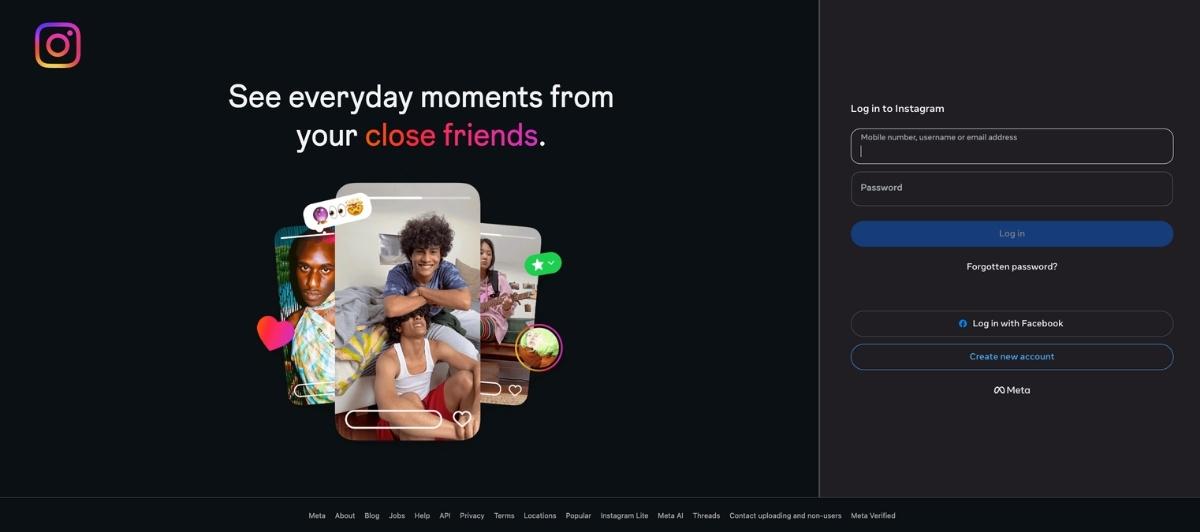
Instagram, a Meta subsidiary, is one of the most popular websites and apps in the world. Launching in 2010 and gaining one million users within its first two months, it now serves over one billion monthly active users across 32 languages.
Instagram Stories alone attract 500 million daily users, making it one of the most engaging content formats of the social media era. For web designers and marketers, Instagram’s visual-first model, which prioritizes photography, short video, and stories over text, offers a clear lesson about the power of image quality and immediacy in driving user engagement.
18. Intuit

Intuit serves small businesses and individuals through its two flagship platforms: QuickBooks for accounting and financial management, and TurboTax for personal and corporate tax preparation. Its consistent high traffic rankings reflect the deep reliance millions of businesses and individuals place on these tools throughout the year, not just at tax season.
As an example of a platform sustaining high traffic through utility rather than entertainment, Intuit demonstrates the power of building products that users genuinely cannot function without, and then making those products available reliably through the web.
19. New York Times
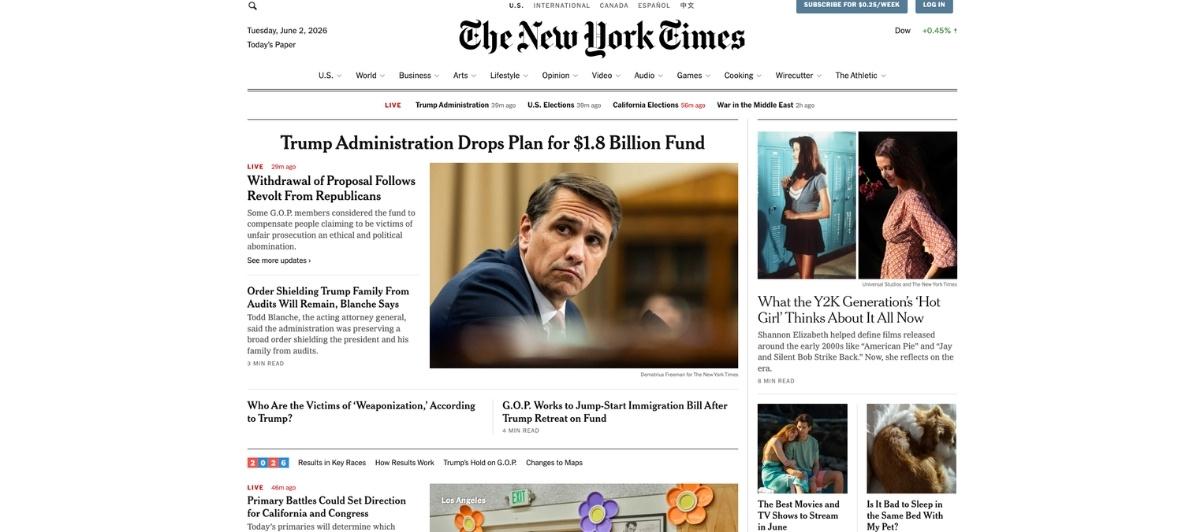
The New York Times has navigated the most turbulent decades in the history of the media industry and emerged with a digital subscription model that now supports millions of paying subscribers. Its readers check the site multiple times daily, generating high consistent traffic that reflects genuine audience investment rather than passive discovery.
The Times’ success in building a paid digital audience from an industry that long resisted paywalls offers one of the most instructive lessons in the digital landscape for content businesses: quality journalism combined with a clear value exchange can sustain a premium audience over the long term.
20. Chase
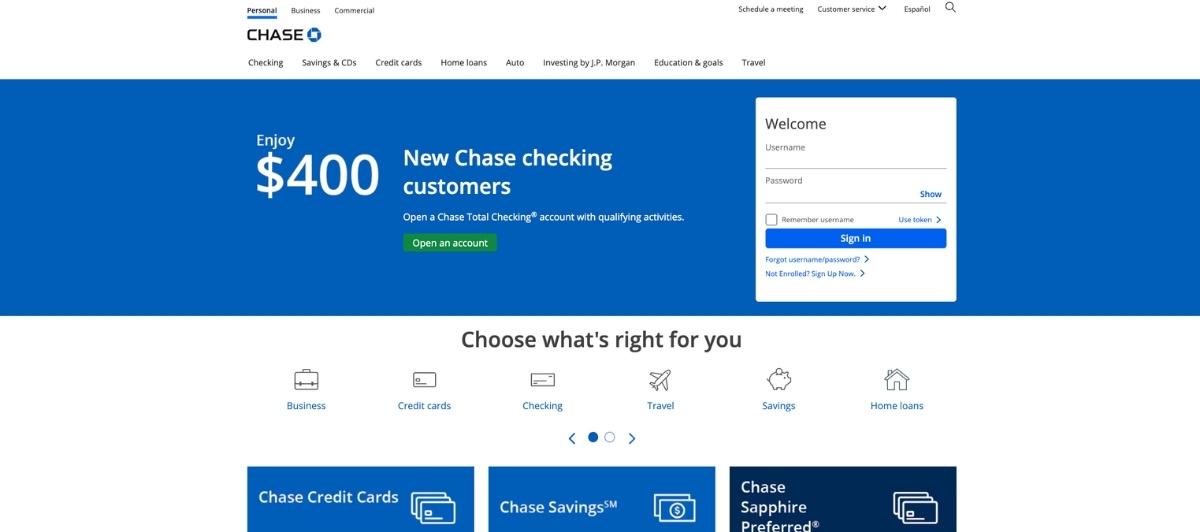
Chase is one of the largest banks in the United States, managing nearly $3 trillion in assets and operating thousands of branches across the country. Its digital portal attracts enormous daily traffic from approximately half of American households that maintain Chase accounts, handling everything from bill payments to check deposits to investment management.
As one of the most visited financial websites in the world, Chase represents the category of platforms where high-frequency necessity, rather than entertainment or discovery, drives consistent and predictable traffic at an enormous scale.
What these sites teach every web builder
Studying the best, most popular websites in the world is one of the most efficient ways to understand what drives sustained user engagement, loyalty, and traffic growth. Here are the principles that appear consistently across the top 20.
Solve one problem exceptionally well first
Every site on this list started with a single, clearly defined purpose. Google organized web search. YouTube organized video. Amazon organized online shopping. Wikipedia organized free knowledge.
The platforms that try to do everything from the start rarely reach the scale of those that master one thing first and expand from that foundation. For any website, defining and owning a specific value proposition before expanding is the most reliable path to meaningful traffic.
Speed and simplicity drive more engagement than features
The most visited websites in the world are not the most complex. They are among the fastest-loading, easiest-to-navigate experiences on the internet. Every friction point in a site’s experience reduces the probability that a user returns.
The meaningful trend across the most popular websites is that platforms are evolving to resolve user needs faster, with fewer clicks, and more directly than before. Our WordPress speed optimization service applies these same principles to business websites that depend on fast load times to keep visitors engaged.
Content that’s genuinely useful compounds over time
Wikipedia doesn’t advertise. Reddit doesn’t produce its own content. YouTube doesn’t make videos. The most visited content platforms on the internet have understood for decades that user-generated or aggregated content, when properly organized and distributed, builds compounding traffic that no media budget can replicate.
For business websites, this translates directly into the long-term value of consistently publishing useful, well-organized content. Our SEO services help businesses build exactly this kind of content-driven visibility.
Platform integration multiplies traffic
Bing’s traffic didn’t come entirely from people choosing it as their search engine. It came from being the default in Windows and Edge. Office.com‘s traffic comes from being woven into the professional workflows of millions of organizations.
The sites that grow fastest in the digital landscape are often those that embed themselves into existing habits rather than asking users to form entirely new ones. For any business website, integration with platforms your audience already uses, whether that’s Google Business, LinkedIn, or industry-specific tools, is one of the highest-leverage growth strategies available.
Design for the habit, not just the visit
The more meaningful trend across the most visited websites is that these platforms are building habits, not just sessions. Users don’t visit Google or YouTube once. They return dozens of times per day across years, often decades.
The design decisions that drive habit formation, personalization, clear navigation, fast load times, and reliable performance, are the same ones that turn a single website visit into a loyal returning audience. Our web design team builds business websites with this long-term retention logic built in from the start.
You don’t need billions of visitors. You need the right ones — Freshy helps you find them.
The best, most popular websites in the world didn’t get there by accident or by luck. They got there by solving real problems, loading fast, earning trust, and making their users want to come back. Those principles work at every scale, from a global search engine to a local business website.
Key takeaways:
- Google leads with approximately 84.8 billion monthly visits in April 2026, a lead so large the gap from every competitor barely registers
- Video content drives user engagement at a scale text alone cannot match, confirmed by YouTube’s second-place ranking globally
- AI tools like ChatGPT have entered the global top ten, signaling a major market shift in how people search and discover information
- The most visited sites solve one problem exceptionally well before expanding
- Speed, simplicity, and habit-forming design drive more sustained traffic than complex features
- Useful, well-organized content builds compounding traffic that advertising budgets cannot replicate
If your website isn’t yet generating the traffic and engagement your business deserves, the lessons from these giants are a solid place to start.
Get a quote and let’s talk about applying them to your own site. Or spend a few minutes with our web design portfolio and imagine what your piece of the digital landscape could look like.
FAQs
What is the most visited website in the world in 2026?
Google.com is the most visited website in the world in 2026, with approximately 84.8 billion monthly visits according to Similarweb traffic data.
What are the top 5 most popular websites globally in 2026?
Based on the latest available traffic data from April 2026, the top five most visited websites globally are Google, YouTube, Facebook, Amazon, and either Reddit or ChatGPT, depending on the data source and month tracked.
How is website traffic data measured?
Traffic data comes from platforms like Similarweb and Semrush, which measure total monthly visits across desktop and mobile web. Traffic figures represent approximate monthly visits, and note that app traffic is not counted by either source, which means platforms like WhatsApp and TikTok have significantly higher real-world usage than web traffic alone suggests.
Has anything changed in the most popular websites rankings recently?
Yes. The composition of the top rankings is evolving. ChatGPT has emerged as one of the most visited websites in the world, underscoring how quickly AI tools have moved from novelty to everyday utility. Market shifts like this happen gradually, then suddenly.
What can my business website learn from the most popular websites?
The most visited websites solve real problems efficiently, load fast, earn user trust, and design for returning visits rather than one-time sessions. These principles apply equally to a billion-visit platform and a local business website trying to convert its first hundred visitors into customers.




)